Descriptions of climate exhibition boards [ENG]
For years, the local governments of the Poznan Metropolitan Area have been jointly planning and carrying out initiatives that address challenges extending beyond administrative boundaries. Thanks to this cooperation, it is possible to implementprojects of a scale and significance that would be much more difficult for individual entities to carry out on their own.
This metropolitan cooperation has resulted in the integrated projects Climate* and Mobility**, which are being implemented with the support of European funds. These initiatives are part of a shared vision for the development of the Poznan Metropolitan Area, carried out in phases. The funds secured enable the implementation of projects that improve the quality of life for residents, increase resilience to the effects of climate change, and encourage active travel. We are now presenting the results of the first phase of these projects.
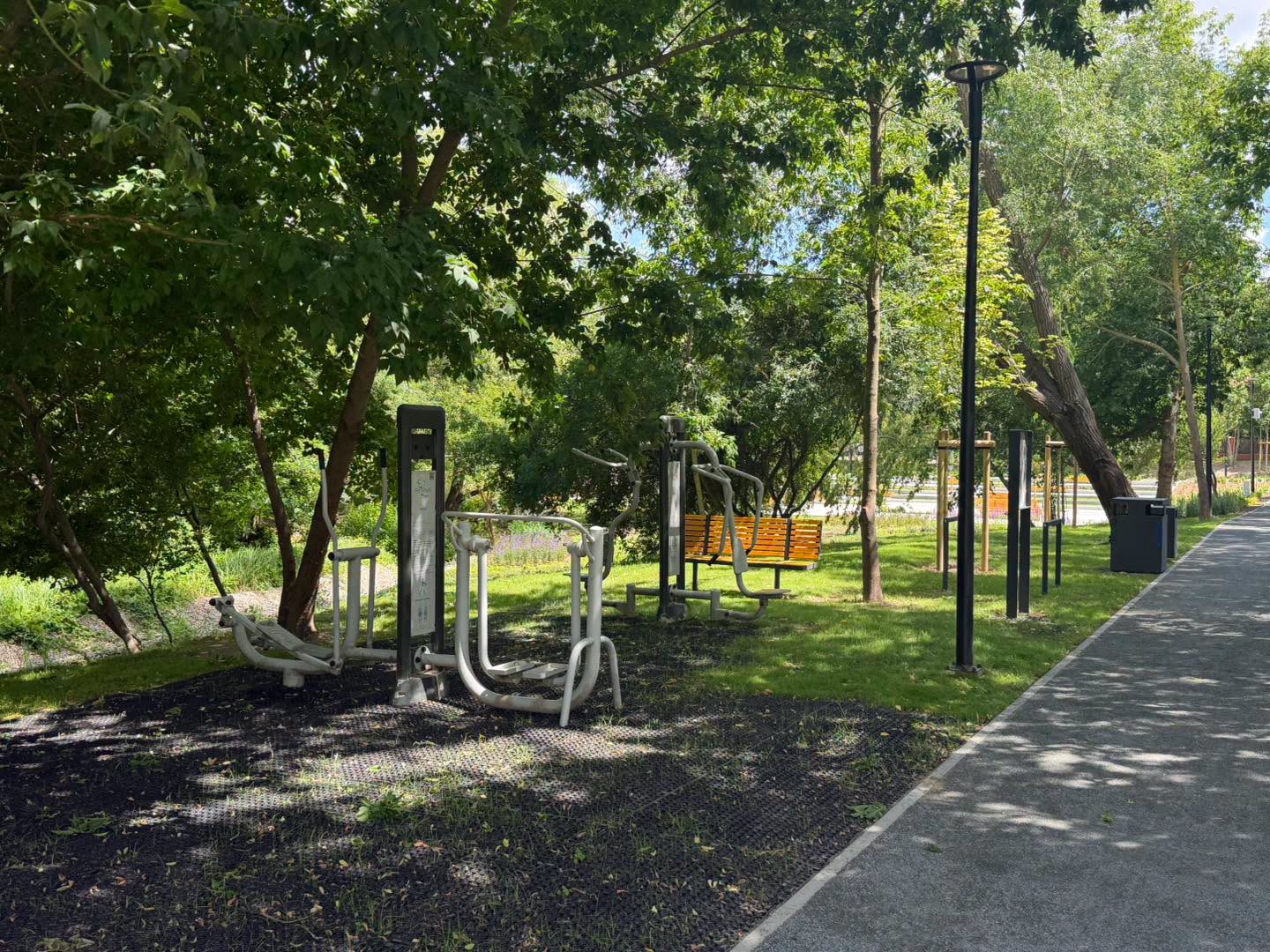
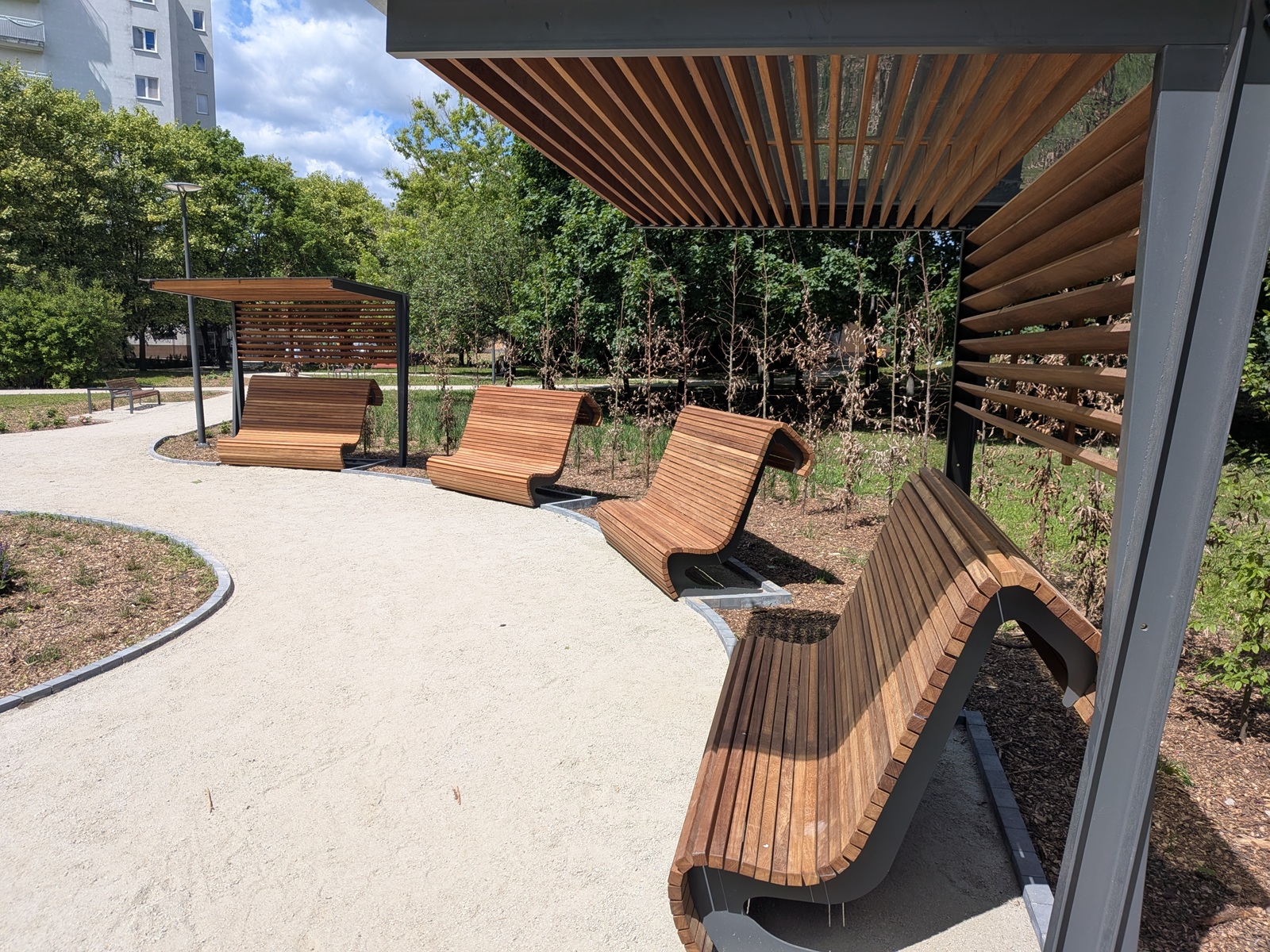
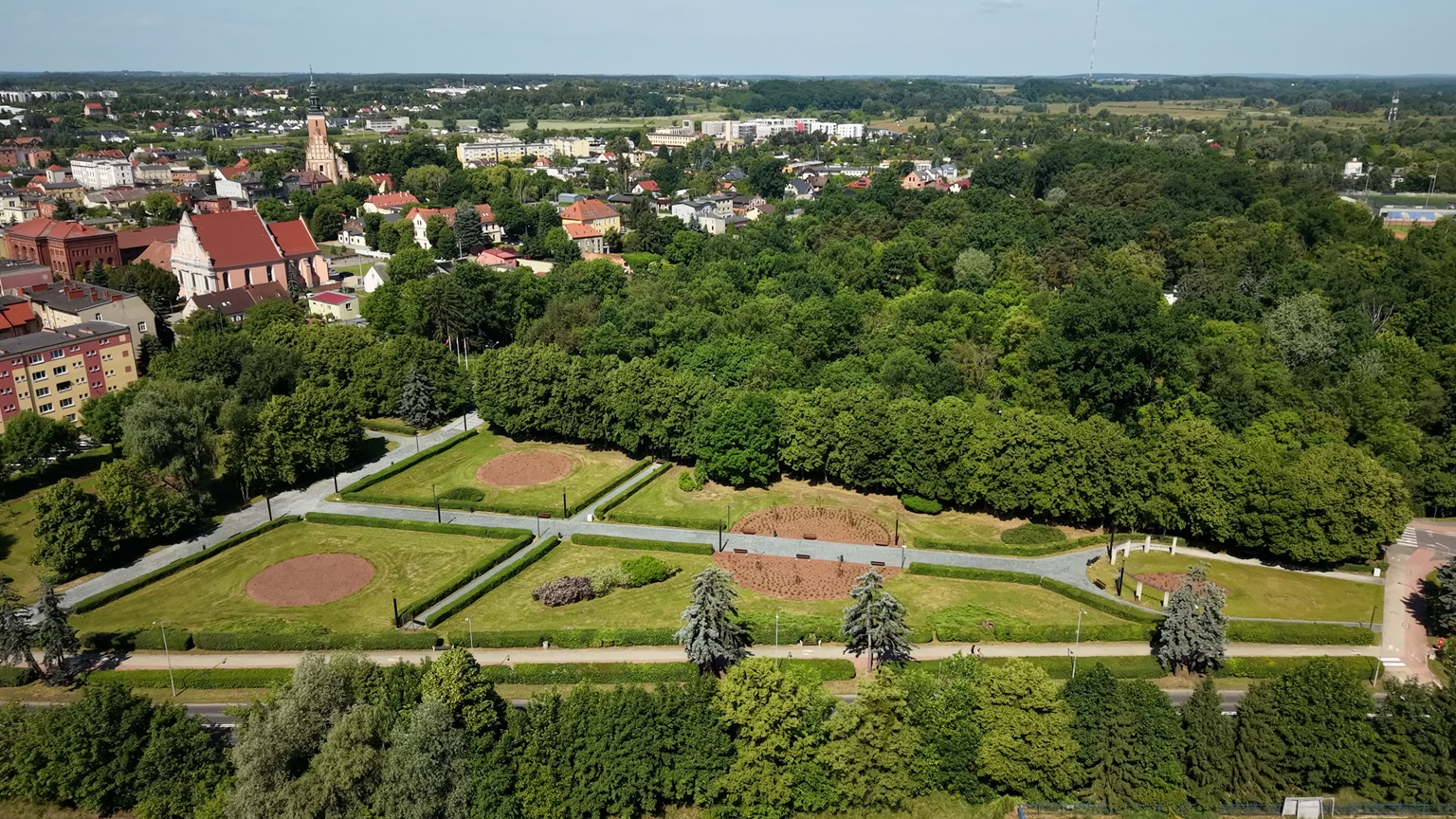
Climate action primarily involves improving water retention and land-use management to protect water resources and enhance the water balance in the municipalities affiliated with the Poznan Metropolitan Area. They also involve stabilizing the microclimate, maintaining a high level of biodiversity, and reducing flood risks - both from rivers and from torrential rain. The implementation of these investments also leads to an increase in green space through the creation of new green squares and pocket parks. At the same time, these actions help reduce the risk of drought and the occurrence of so-called urban heat islands. New green spaces are not only additional plantings, but also areas designated for recreation for residents.
The Mobility Project aims to integrate transportation systems and improve transportation accessibility within the municipalities that make up the Poznan Metropolitan Area. The activities planned as part of the project contribute to the development of pedestrian and bicycle infrastructure and integrated transit hubs, as well as to reducing dependence on private transportation. The implementation of these tasks has a positive impact on the environment through, among other things: reducing green house gas emissions, lowering noise levels, and reducing air pollution. This leads to increased competitiveness of public transit, the creation of new Park&Ride and Bike&Ride facilities for residents, and improved travel comfort and safety, including for people with disabilities.
* „ Support for Small-Scale Water Retention and the Development of Green-and-Blue Infrastructure in the Poznan Metropolitan Area – Phase I”
** “Sustainable Urban Mobility in the Poznan Metropolitan Area – Phase I”
“Support for Small-Scale Water Retention and the Development of Green-and-Blue Infrastructure in the Poznan Metropolitan Area - Phase I”
Kostrzyn:
In the center of Kostrzyn, a recreational pond and its surroundings were restored. The watercourse was cleaned, the shoreline was restored, and new plants were planted, including honey-producing trees, creating a space that better retains water and supports biodiversity.
Suchy Las:
A modern water retention system has been installed in Park Sucholeska Łąka. As part of the action, a ditch was rebuilt, and a flow channel to the retention basin was constructed. The park also features a smart water monitoring and management system that uses a wireless weather station, allowing its operation to be adjusted in real time to weather and humidity conditions.
Srem:
Ogród Róż, the pocket park was modernized, enhancing its stormwater retention capacity; the plaza at Plac 20 Października was renewed with new plantings, thereby eliminating the so-called “urban heat island”; and eco-stops were built on Piłsudskiego Street. New vegetation, including trees, shrubs, grasses, and perennials, has also been planted in Park im. Włodzimierza Puchalskiego Park, on Żurawia Street, and within the Municipal Cemetery.
Murowana Goslina:An eco-park has been created in the 600-lecia housing estate, serving as a natural ecological corridor. The area designed to collect stormwater has been developed and enhanced with new greenery. The main objective of the municipal activity was to restore a natural water-retention ecosystem to protect against droughts and flooding in the adjacent buildings.
Poznan:
Poznan has gained new green spaces and recreational areas. Park Czarneckiego has been revitalized, and pocket parks have been created on Chłodna Street and Inflancka Street. Public green squares have also been built on Norwida Street, Św. Wawrzyńca Street, at the intersection of Kosińskiego and Prądzyńskiego Streets, and on Widna Street. Green spaces have been developed on Burszty Street, between Księżycowa and Grunwaldzka Streets, between Wiatraczna and KrzywoustegoStreets, as well as a recreational area in Chartowo district. The green initiatives also included four educational institutions - Elementary Schools Nos. 11, 20, 77, and 82, as part of School and Preschool Complex No. 16. The school grounds there were developed by, among other things, removing concrete and creating natural playgrounds.
Rokietnica:
A tree inventory was conducted within the municipality; tree maintenance plans were drawn up, and new trees were planted. In addition, new green spaces were developed at three specific locations, significantly improving water retention in those areas.
In Kiekrz on Poznańska Street and in Rokietnica on Trakt Napoleoński, among other things: honey-producing plants were planted, areas were seeded with grass and wildflower meadows, and insect houses were installed. Meanwhile, in Mrowino, at the intersection of Dworcowa and Ogrodowa Streets, in addition to the plantings, the area was made more attractive by restoring the existing water reservoir.
Oborniki:
In Dąbrowka Leśna, on Podgórna Street, a stormwater management system based on infiltration basins has been installed. This solution improves retention and reduces rapid runoff after heavy rainfall.
Metropolia Poznan:
As part of the activities carried out under the project, among other things: an educational portal was launched, materials for schools were developed, an e-learning module was prepared, and art contests for children and youth were held. Metropolitan Climate Picnics were organized in all municipalities covered by the project. Taken together, these activities raise awareness of the benefits of an eco-friendly lifestyle, thereby promoting responsible use of the environment and helping to mitigate the effects of climate change.